


Every year, millions of people are impacted by stroke, a medical emergency that can change a person’s life in an instant. While awareness campaigns often focus on prevention and recognizing the warning signs, the conversation around recovery is just as critical. For many survivors, healing begins long after the emergency room visit ends.
Dr. Benecia Williams is a double board-certified physician in Physical Medicine & Rehabilitation and Sports Medicine who specializes in stroke recovery, rehabilitation planning, and long-term patient support. Trained at the Baylor Institute for Rehabilitation in Dallas, Dr. Williams works closely with stroke patients every day, helping them navigate recovery while encouraging them to reclaim their quality of life.
In this conversation, Dr. Williams shares insight into the realities of stroke rehabilitation, the barriers many patients face, and why mindset plays such an important role in healing.

How do you help stroke patients get on the right recovery path?
Dr. Williams: I evaluate patients for the best rehabilitation option after a stroke, such as inpatient rehab, where patients stay in-house, see a rehab doctor every day, and receive about 15 hours of therapy each week. Think of it like the boot camp of rehab. Other options include skilled nursing facilities, outpatient therapy, and neurorehabilitation centers, depending on the patient’s needs.
Stroke recovery is not one-size-fits-all. Every patient enters recovery with different physical, emotional, and cognitive challenges, which makes personalized rehabilitation planning essential. Dr. Williams emphasizes the importance of matching patients with the right level of care early in the process to improve long-term outcomes.
What barriers do some patients face when trying to access rehab?
Dr. Williams: Insurance authorization is a major barrier. Even when I know a patient is an excellent candidate for rehab, insurance companies may disagree because they don’t want to pay for the services.
For many families, navigating insurance approvals while dealing with the emotional impact of a stroke can feel overwhelming. Delays in rehabilitation access may also affect recovery progress, making advocacy and patient support critical components of care.
What should women know about stroke risk and recovery?
Dr. Williams: There are modifiable risk factors we can address to help prevent stroke, including diet, exercise, blood pressure control, and not smoking. Stroke recovery also starts in the hospital. The sooner you get moving, the better. Some patients have to learn to walk, talk, and eat again. Mindset and motivation matter too.
Women often balance careers, caregiving responsibilities, and chronic stress while neglecting their own health needs. Dr. Williams encourages women to pay close attention to preventive care and understand that recovery requires both physical rehabilitation and emotional resilience.
How would you describe your role beyond medicine during recovery?
Dr. Williams: I often say I’m more than a rehab doctor — I’m also a cheerleader and life coach. My job is to motivate patients and remind them that life isn’t over after a stroke. It’s different, but it can still be very fulfilling.
That perspective can make all the difference for patients struggling to adjust to a new normal. Recovery may involve setbacks, frustration, and uncertainty, but physicians like Dr. Williams are helping patients rediscover confidence, independence, and hope along the way.
As National Stroke Awareness Month shines a light on prevention and education, conversations like these serve as an important reminder that recovery is not simply about surviving a stroke. It is about rebuilding life afterward, one step, one breakthrough, and one day at a time.
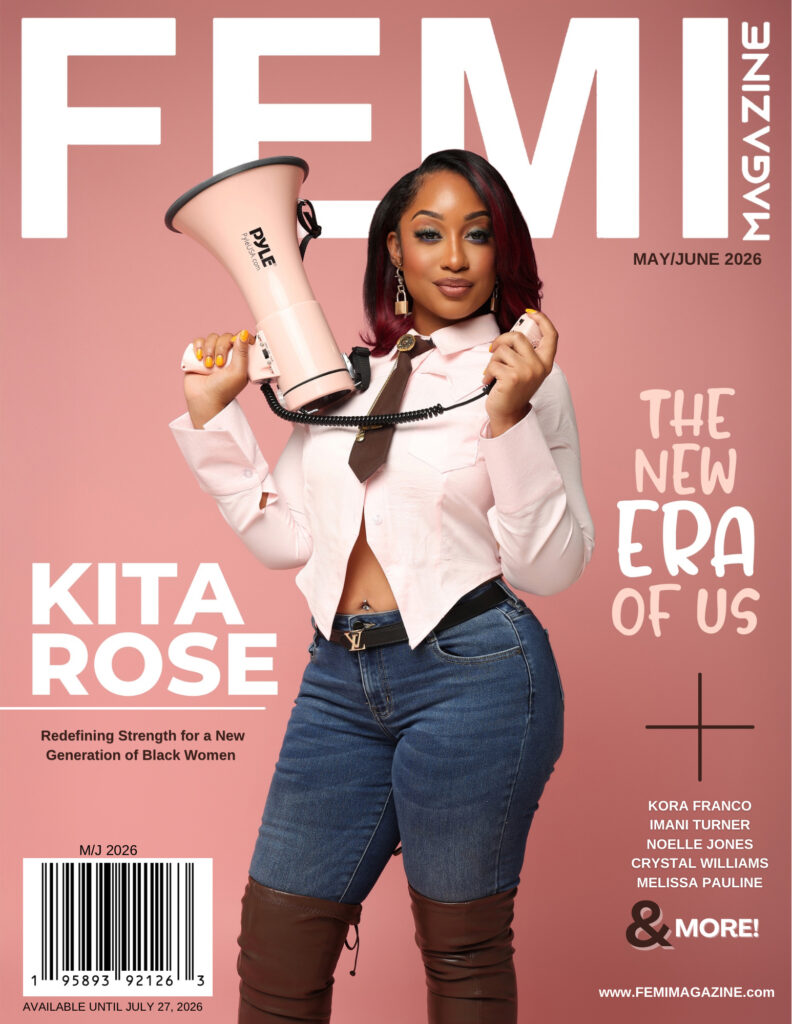
Photo Credit: Shot By D Porter
Follow Us On Social Media!


