
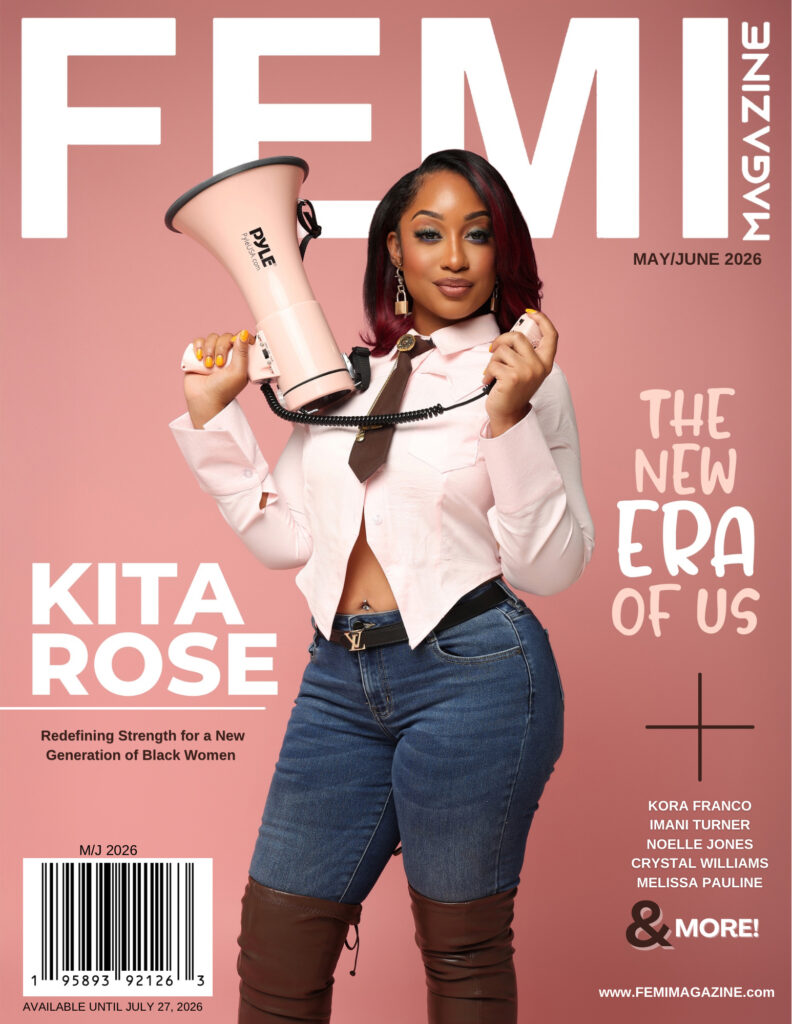


As workplaces evolve at an unprecedented pace, where artificial intelligence and automation are reshaping how organizations function, Matinah Drew stands firmly at the intersection of innovation and empathy. As the CEO of Noble Hearts HR Consulting, she brings more than 20 years of experience guiding organizations through moments where policy, technology, and human emotion collide. Her work is not just about implementing systems. It is about protecting the human experience within them.
Matinah’s approach is rooted in a belief that emotional intelligence is not in conflict with technological advancement. Instead, it is the very thing that ensures technology serves people rather than replaces them. At a time when many leaders feel pressure to move faster than ever, she offers a grounded perspective that prioritizes clarity, inclusion, and emotional awareness.
Across industries, leaders are navigating what can only be described as a deeply human response to technological change. While AI promises efficiency and insight, employees are quietly asking themselves difficult questions about their future. Concerns about job security, adaptability, and relevance are shaping how people show up at work. According to Matinah, this emotional undercurrent is often overlooked, yet it is the determining factor in whether new systems succeed or fail.
She explains that many organizations are also experiencing a shift in leadership development. Accelerated promotions, influenced by post-pandemic restructuring and the speed of innovation, have placed individuals in decision-making roles without the depth of mentorship previous generations received. At the same time, the expansion of remote work has widened the talent market, changing how employees view loyalty, opportunity, and stability. Professionals are no longer limited by geography, and that reality has increased expectations for workplace culture and leadership.

Within this environment, Matinah emphasizes the importance of addressing what she describes as the emotional realities of work. Jobs today demand not only technical skill but also mental energy and resilience. When leaders fail to acknowledge this, change becomes more difficult than necessary. Her firm is often brought in during these critical moments to help organizations move beyond surface-level solutions and engage directly with the concerns employees are carrying.
At Noble Hearts HR Consulting, the process begins with understanding impact. Workforce assessments identify how new technologies will shift roles, responsibilities, and expectations. From there, Matinah works closely with leadership teams to build communication strategies that are transparent and intentional. She believes silence creates space for fear, while clarity builds trust.
Her work also focuses heavily on future planning, not just in terms of business outcomes but in how people grow within organizations. Through skill-gap analysis and development pathways, employees are given a clear view of where they fit and how they can evolve. This reframes the narrative around technology. Instead of signaling loss, it becomes a pathway to growth.
Leadership development is another cornerstone of her strategy. Matinah provides coaching that helps leaders balance data-driven decision-making with empathy and context. She also facilitates structured conversations, including listening sessions and leadership discussions, to ensure that concerns are addressed early. These efforts help prevent disengagement and build stronger alignment across teams.
One of the most common challenges she sees is how organizations introduce new technology. Too often, leaders treat implementation as a technical rollout rather than a human transition. Matinah advises leaders to slow down and lead with intention. This means clearly explaining the purpose behind new tools, being honest about what will change, and showing employees how they can grow within the new structure.
Equally important is inclusion. When employees are invited into the process through open dialogue and collaboration, they are far more likely to engage with change. Without that inclusion, uncertainty can quickly turn into resistance.
Her work also highlights a powerful truth. Technology itself does not create fear. Uncertainty does. When leaders communicate openly and provide a vision for the future, that fear begins to dissolve.
In one organization she supported, this philosophy led to a complete turnaround. A new HR platform had been introduced with a strong focus on compliance and functionality, yet adoption remained low. Employees felt disconnected, and managers treated the system as an obligation rather than a tool. Matinah shifted the approach by centering the human experience. Through listening sessions and emotional intelligence coaching, leaders were equipped to use the platform in a way that fostered meaningful conversations and psychological safety. The result was a measurable increase in engagement and a stronger sense of support across the organization.
Experiences like this reinforce her core message. Systems may drive efficiency, but people drive adoption.
As organizations continue to navigate what many describe as a VUCA environment shaped by volatility, uncertainty, complexity, and ambiguity, Matinah encourages leaders to embrace a new mindset. One that values focus, inclusion, and possibility. She challenges the outdated expectation of passive agreement in the workplace and instead calls for thoughtful, engaged teams who understand their impact and contribute to shared goals.
This shift requires both leaders and employees to commit to continuous growth. It calls for honest reflection, a willingness to develop new skills, and the courage to see change as an opportunity rather than a threat.
Through her work, Matinah Drew is not just helping organizations adapt to the future of work. She is helping them do so with intention, integrity, and humanity. In a time when technology is advancing faster than ever, her voice serves as a reminder that progress is most powerful when it is guided by empathy. Be sure to visit her website.
Images Courtesy of Matinah Drew
Follow Us On Social Media!


